 Support


Trusted by leading organizations from the public sector









Data challenges in public sector
Public sector organizations manage large volumes of sensitive and mission-critical data across legacy systems, departmental databases, and reporting platforms. Without clear documentation and data lineage, it becomes difficult to ensure transparency, maintain compliance, and support data-driven policy decisions.

Data silos across agencies
Government data often lives in separate departmental systems, making it difficult to gain a unified view of programs, operations, and outcomes.
Legacy systems
Many agencies rely on aging systems and undocumented data structures, making it difficult for teams to understand how data is stored and used.
Transparency requirements
Public organizations must demonstrate how data is used in reporting, policy decisions, and public disclosures.
Limited lineage visibility
When data is used for reports, policy analysis, or public dashboards, teams often struggle to trace where the data originated and how it was transformed.
How Dataedo supports public sector organizations
Centralized data catalog
across agency systems
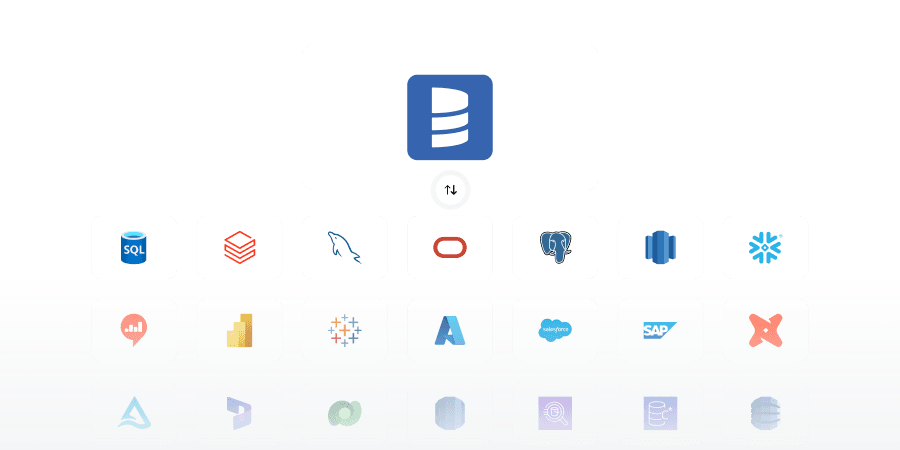
Document databases, data warehouses, reports, and analytics tools in one centralized repository. Replace scattered documentation and tribal knowledge with a searchable catalog that helps teams understand how government data is structured and used.
End-to-end data lineage
for transparency and reporting
Track how data flows from operational systems to public dashboards, regulatory reports, and internal analytics. Trace data sources and transformations to improve transparency and trust in government reporting.

Business glossary
for consistent definitions
Standardize definitions for key government metrics, programs, and reporting terms. Ensure that teams across departments use the same terminology, improving collaboration and reducing confusion.

Sensitive data discovery
for governance and compliance
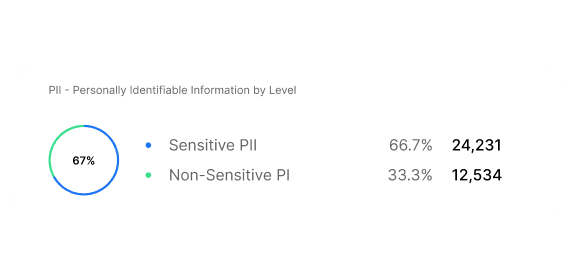
Identify sensitive information such as citizen data and tag critical datasets used for reporting or policy decisions. Maintain visibility into high-risk data and export documentation to HTML or PDF for audits and compliance reviews.
How government teams use Dataedo

Transparency & public reporting
Document the sources, transformations, and lineage behind government reports and public dashboards. This helps agencies provide clear, auditable, and trustworthy information to oversight bodies and the public.

Cross-agency data collaboration
Standardize definitions and share a unified view of datasets across departments. Teams can collaborate effectively, reduce inconsistencies, and ensure decisions are based on trusted, consistent data.

Data governance initiatives
Establish clear ownership and documentation for critical datasets, including sensitive citizen information. This strengthens compliance, institutional knowledge retention, and overall governance programs.

Core system modernization
Map dependencies and understand how legacy systems interact with other databases and reports. This reduces risk and ensures smooth transitions when upgrading or replacing outdated technology.
Why our customers love Dataedo?
Dataedo team is very professional, responsive and supportive. Communication was always smooth. They helped us a lot with their support in the initial headache of on-premise implementation through the challenges of public sector network security."
Highly reactive and responsive vendor. The product was easily deployed on-premise and we received excellent support to iron out the few hiccups we encountered due to our tightly secured IT environment."
Dataedo is an amazing tool that continues to grow and improve.


Piotr Kononow
Founder
Bring transparency to your government data landscape
Give teams full visibility into agency data systems, reports, and analytics.